

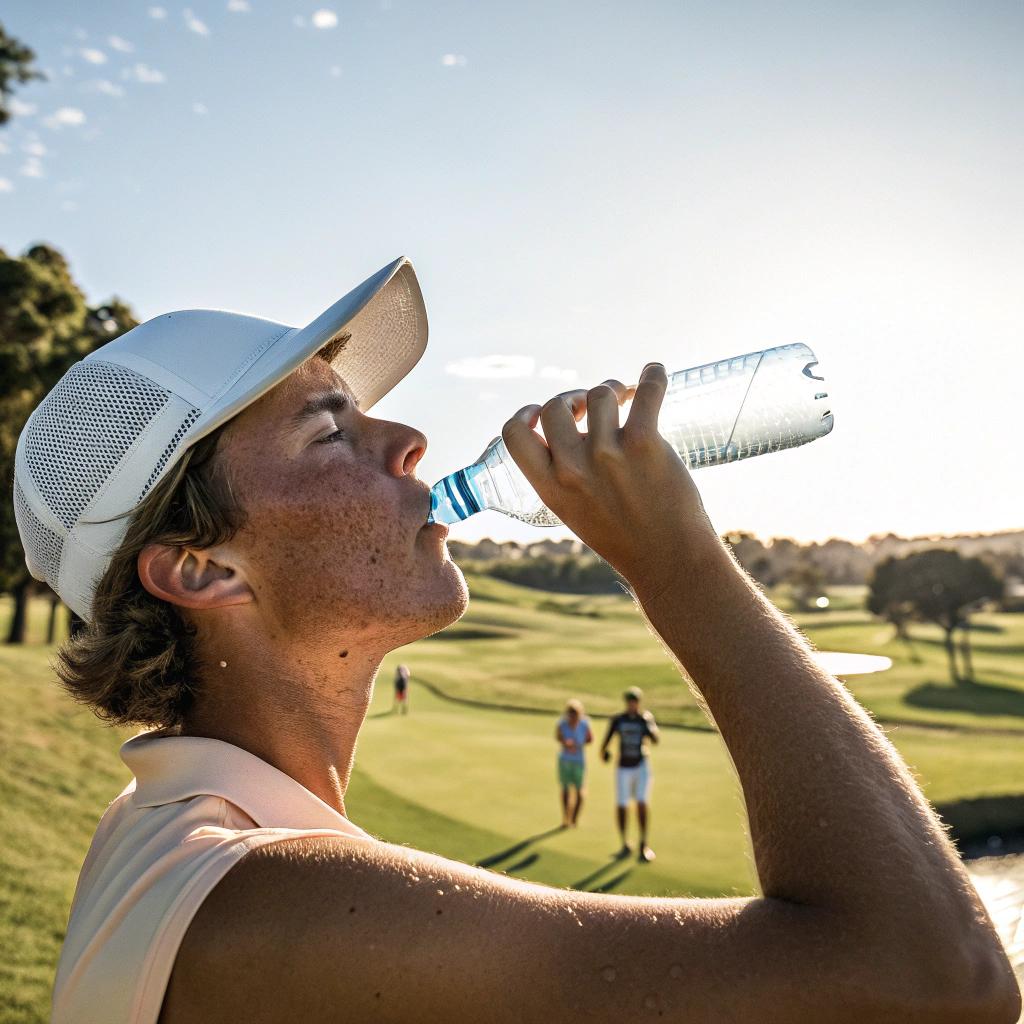

Why Staying Cool Matters in Golf
Playing golf in the heat affects more than just your comfort. It can influence your focus, swing, and even your decision-making. Even when you do your best to ignore the temperature, your body never does. Sometimes you can almost feel it dragging on your limbs after a few holes.
Staying cool and hydrated is not just about avoiding disaster. It is also about giving yourself a real chance at scoring well. Heat can sneak up on you. One minute you are lining up a shot, the next you feel lightheaded. Plenty of golfers have had a promising round unravel simply from not taking care of themselves.
The Best Ways to Manage Heat on the Course
Choose the Right Time
Tee times make a difference. Early mornings or late afternoons are cooler and easier on your body. Midday can seem tempting, but if you have played in July at noon, you know how quickly the sun can sap your energy.
If you are playing in an event, you do not always get a choice. But when you can, try to book the first or last available slot.
Dress for the Weather
Lightweight, light-colored clothing can help you reflect sunlight. Many brands make clothes specifically for hot rounds, and some fabric actually feels cool against the skin.
I have tried expensive shirts and no-name ones; sometimes, it is not the price but the material that makes the difference. Polyester blends tend to dry faster than cotton. Hats with wide brims add more shade than a regular cap, but I know some golfers do not like how they look. I get it. Use what you feel comfortable wearing, not what looks best on someone else.
Sun Protection Is Not Just for Skin
Sunscreen can be annoying to reapply, but it is necessary. A sunburn starts as a mild discomfort and then distracts you for several holes, if not days afterward.
Sunglasses with UV protection keep your eyes relaxed and help with tracking the ball in bright conditions. Some players say glasses mess with depth perception. I have never found that myself, but it is a personal thing.
Hydration: Keep It Simple, Keep It Steady
Most hydration missteps on the course come from either not drinking enough or drinking inconsistently. Muscles cramp, hands get shaky, and you become irritable.
Water is good, but you also need electrolytes. Sometimes plain water is not enough if you are sweating a lot.
Keep a bottle with you and sip every couple of holes. Do not wait until you are thirsty. By then, you are behind.
Here is a simple table comparing hydration options:
| Beverage | Benefits | Drawbacks | Best Use |
|---|---|---|---|
| Water | Hydrates, zero calories | No electrolytes | Regular sipping |
| Electrolyte Drinks | Replenishes salts, quick absorption | Sometimes high sugar | After major sweating |
| Sports Drinks (sugared) | Sugar for quick energy | Potential energy crash | One bottle mid-round |
| Soft Drinks | Cold and familiar taste | Little hydration, high sugar | Not recommended |
Some golfers think beer counts as hydration. That is risky thinking. One cold beer might feel good, but it actually dehydrates. Try to limit alcohol until after the round, if at all.
Food Can Support Hydration
You might be surprised how what you eat affects how you feel in the heat. Salty snacks can help replenish what you lose through sweat. Fruit, like oranges or watermelon, hydrates and gives you a sugar boost without making you sluggish.
I have friends who swear by salted nuts or trail mix. I tend to pack a banana or two. Really, most simple snacks work, as long as you do not overeat. Heavy meals sit in your gut and make you warmer.
Is Cooling Gear Worth Packing?
There are dozens of gadgets out there for cooling: towels, neck wraps, misters. I have tried a few. Some are helpful, especially on days when there is no breeze.
A wet towel draped over your neck or wiped across your face can cool you almost instantly.
Battery-powered fans are more of a gimmick for most people. Maybe if you have a cart, you can store extra devices. If you are walking, every added ounce makes a difference.
If you sweat heavily, it can be worth packing a second glove. Rotating can help you grip the club and keep your hands dry.
Pacing Yourself in the Heat
Heat makes rounds feel much longer. Your usual rhythm might not work as well. Take time between shots. Even pausing in the shade when you wait for the next group is better than standing in the sun.
Nobody keeps score for how quickly you finish a round. Playing well means playing smart , sometimes that means a few extra seconds under a tree.
Here are a few pacing tips:
- Walk in the shade when possible, even if it means a few extra steps.
- Let others hit first if you feel fatigued; your group will understand.
- Breathe out between shots. It is a small way to release tension, but it can center you.
- Use cart paths when allowed, and avoid unnecessary walking.
If you feel hazy or dizzy, pause and sit down. One round is not worth risking heat exhaustion.
Adjusting Mental Approach When It Is Hot
Heat brings out impatience. Small things bother you more. Focusing gets harder from hole to hole. Some players try to grind through, thinking it is a test of willpower. That can backfire.
Instead of pushing harder, let yourself adjust expectations. Some days par feels better than usual.
That is not a license to lower standards, but it is realistic. A round played in 95-degree heat should not feel like a failure if you play close to your average score. The mind and body both tire faster. Recognize it.
Try to keep tasks simple in your head. Instead of thinking about all swing mechanics, focus on alignment and making clean contact. If your thoughts wander, bring them back gently to the shot at hand.
Signs of Trouble: When to Take a Break
Sometimes, golfers push through clear warning signs. That is not brave, just stubborn. Spot these early to stay safe and finish strong.
- Thirst and dry mouth
- Dizziness or lightheadedness
- Nausea or upset stomach
- Rapid heartbeat
- Feeling much more tired than usual
Once, on a hot afternoon, I ignored a slight headache for nine holes. By the back nine, I was dragging. I finished the round, but not well. After sitting in the clubhouse with cold water for 20 minutes, the difference was clear. Now, I always pay closer attention to those early symptoms.
If your hands start trembling or you lose focus suddenly, that is not normal fatigue. Pause your round and find shade; safety first, golf later.
Equipment Choices for Hot Weather
Some small gear changes make a big difference in the heat. Here are a few worth considering:
- Light bag: Less weight reduces how quickly you tire.
- Extra towels: For sweat control and cooling.
- Spare gloves: Rotating gloves helps with grip.
- Insulated bottle: Keeps drinks cold for the whole round.
Plastic bottles do not keep water cool for long. Metal insulated ones do better, but they weigh more. It depends how much you mind the extra load. Sometimes I carry a frozen bottle and sip as it melts , a simple trick, but not perfect. Sometimes it stays rock-hard until the back nine.
If you use a cart, storing a cooler with ice packs helps. For those walking, pack less but refill when you can at water stations.
Should You Play Fewer Holes?
It is tempting on hot days to skip the last few holes. Some golfers do, and I do not really see a problem with that if it is casual play. Competitive rounds are different. Still, do what is right for your health.
Often, breaking a round into two shorter sessions is better than overexerting yourself in one long 18-hole effort. Bringing kids or newer golfers? Nine holes might make more sense than a full day out.
Pre-round Preparation That Actually Works
Showing up hydrated is more important than you might think. Starting behind means you will struggle to catch up. The day before, drink water steadily, not all at once.
A pre-round meal should be easy to digest and have a mix of carbs and protein. Avoid heavy, greasy food. That usually backfires. Some coffee is fine if that is your routine, but do not count it toward hydration.
Storing snacks in a cooler or insulated pouch makes them more refreshing. Even something as simple as a cold apple can make a difference after walking several holes in strong sun.
Golf Cart vs Walking: What Actually Helps
Many players think a cart solves all heat exposure issues. It helps, no doubt, but sitting in a hot cart can also feel stifling, especially with no breeze.
Walking sometimes provides more chances to dip into shade or catch a breeze, especially if you pick routes carefully. Neither option is perfect. Sometimes you feel cooler walking than sitting in still air.
If you are carrying your own bag, think carefully on hot days. Even using a push cart takes pressure off your body.
Should You Change Your Game Plan?
Heat can change how you approach risk in your round. Some golfers hit more aggressive shots because they want to finish faster. That usually leads to mistakes.
Slow down your decision-making. Let yourself pick safe targets and easy carries, even if it feels less exciting.
Water hazards and bunkers become harder when you are fatigued. Let yourself play away from trouble if you are not feeling at your best physically.
Tournament Play in High Heat
If you compete in tournaments, it is tougher to apply some advice. Marshals might remind you to hurry up; maybe you have less time to rest between holes.
All the same, professional tournaments often allow extra water breaks. Most players use cold towels or ice packs between shots when permitted.
Preparation is what separates good rounds from bad in these cases. Have all your equipment ready. Plan nutrition and hydration before you arrive. Be honest about your limits: starting strong and finishing weak only hurts your confidence and score.
Some competitors bring personal fans or even ice vests. It sounds overboard, but sometimes small edges matter. Finding shade, even if you stand off the tee box while others are hitting, can keep your energy up through 18 holes.
Myths and Misconceptions About Playing in Heat
Some people believe you can train your body to stop feeling hot. That is partly true; you adapt after a while, but you do not become immune.
Another myth: only older players are at risk. In reality, younger golfers sometimes ignore warning signs more. Everyone is vulnerable, just in different ways.
There is also the belief that painkillers help with heat headaches. Sometimes they mask symptoms and make you overlook dehydration. Bringing electrolyte powder works much better.
A Few Quick Checks for Every Hot Round
Before heading to the first tee, do a simple check:
- Bottle full and easy to access?
- Snacks packed (fruit or nuts)?
- Sunscreen applied, small bottle for re-applying?
- Hat and spare glove within reach?
- Extra towel for face and hands?
Once you are on the course, stop and reassess halfway. If you run out of water, find a refill fast, even if it means waiting for the beverage cart or doubling back to the clubhouse.
No Such Thing as Over-Preparation for Heat
The truth is, most of us underestimate the toll of a hot round. Even when you think you have it covered, it is easy to slip up. Sometimes, just remembering one small thing, refilling your water, slowing your walk, picking a better snack, can save your round.
Playing golf well in the heat is about more than stamina. It is about knowing your body, reading early signals, and refusing to let discomfort take over your mindset. No two days are quite the same. Some players grind out surprising scores on the hottest afternoons, while others fall apart quickly.
Preparation is not glamorous, but it works. Each time you remember to do it, you will be glad somewhere around the 15th hole. That sense of comfort, more than anything, is where good rounds usually start.